

For marriage to flourish, it is meant to be a relationship built on love, respect, and appreciation. But what happens when you are the only one consistently giving, while your wife takes without acknowledgment?
If this is the situation of your marriage and you’ve found yourself feeling emotionally drained, invisible, or taken for granted, you may be dealing with an ungrateful wife.
But how can you be sure she is just ungrateful and not dealing with another issue, so you’re not just placing blame? In this article, I’ll discuss 7 clear signs you’re dealing with an ungrateful wife, what they mean for your relationship, and what you can do moving forward.
These will help you know of certain signs that your emotional needs are not being met and understand whether your partner values your presence and contributions in the relationship.
7 Signs You’re Dealing with an Ungrateful Wife
1. She rarely says thank you
One of the simplest yet most telling signs of an ungrateful wife will always be the lack of appreciation in her words.
No matter what you do, if you never get the simplest thank you from her and all she does is bring up other things you need to do, she is an ungrateful wife.

You constantly do things for her, pay bills, fix things around the house, pick up her favorite coffee, or help with chores, and she barely acknowledges your effort; there is no other definition of such an attitude than being an ungrateful person.
Most of the time, a genuine “thank you” or “I appreciate you” is enough to make a partner feel seen and valued. But when that is consistently missing, you might start to feel like your efforts don’t matter or are expected, rather than appreciated.
2. She expects without giving
A common pattern with an ungrateful wife is that she expects you to show up for her all the time, emotionally, physically, and financially, even when it’s obvious to all eyes that you can’t do so, but she will rarely reciprocate.
Moreover, if she gets upset anytime you miss a date night or forget something she asked for but doesn’t notice when you’re going through a tough time or need support, she is ungrateful.
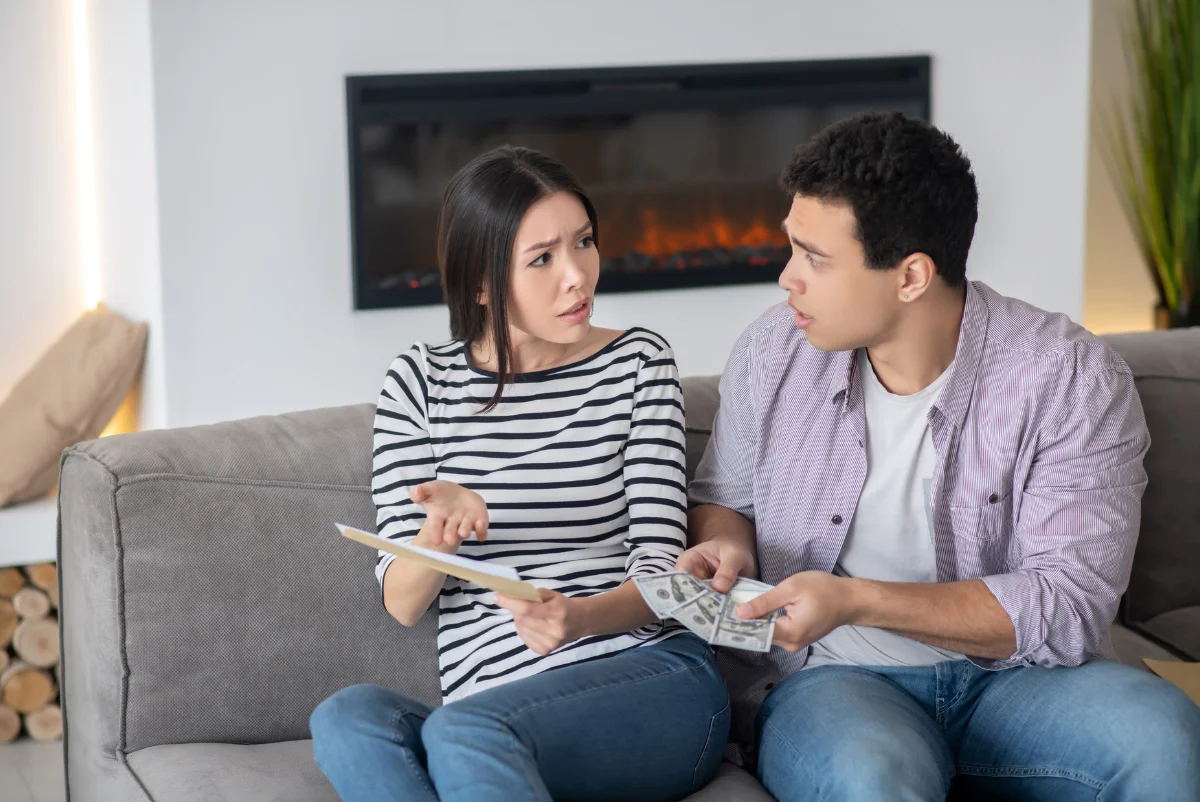
Any healthy relationship that lasts should be balanced; it involves both partners giving and receiving.
Suppose you’re the only one making sacrifices, giving gifts, showing up for special occasions, or handling responsibilities while she offers little in return or acts like she doesn’t see it. In that case, you are dealing with an ungrateful wife.
3. She criticizes more than she compliments
If most of what you hear from your wife is negative feedback, it may be a sign of ingratitude. An ungrateful wife tends to see and highlight what you’re doing wrong rather than what you’re doing right.
For instance, you made dinner, but she points out that it’s too salty. You fixed the car, but she complains about the time you spent on it.
She is just being unreasonable and ungrateful and not concerned about your confidence and self-worth. A grateful wife offers words of encouragement, recognizes effort, and uplifts their spouse.
If your wife is more focused on your flaws than your strengths, it shows she lacks appreciation for who you are and what you do.
4. She acts entitled
Another classic sign of an ungrateful wife is the entitlement mentality she displays. If she believes she deserves everything you do for her and more without needing to ask nicely, express appreciation, or reciprocate, you have an ungrateful wife.
She might expect you to buy her things, handle household tasks, or cater to her emotional needs without question.
You will notice this entitled attitude in the way she talks about your role in the relationship, with statements like, “That’s what you’re supposed to do,” or “You’re the man—it’s your job.”
These statements reduce your efforts to mere obligations, not acts of love. In a healthy marriage, both partners feel grateful for each other’s presence and effort, not just entitled to it.
5. She makes you feel like you’re never enough
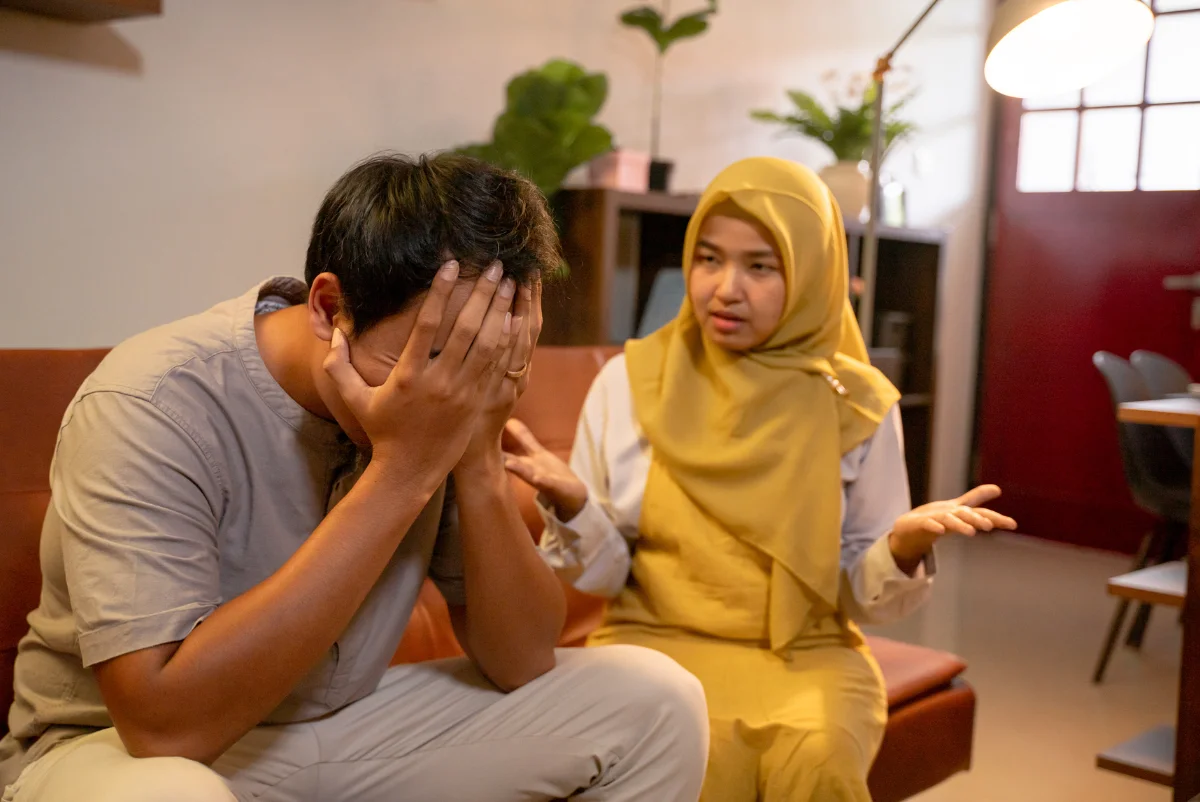
No matter how much you do, it never seems to satisfy her. You could plan a beautiful vacation, work long hours to provide for the family, or support her dreams, yet she still finds something to complain about.
If she constantly wants more, better, or different, without acknowledging what already exists, this is a strong sign of emotional ingratitude from a woman.
Gratitude is about seeing the value in what already is, not always seeking what’s missing. If your wife is never satisfied, it may be time to reevaluate the emotional balance and expectations in your marriage.
6. She doesn’t support you when you need it
When your marriage becomes a place where you alone have to bring all the support and you don’t get any form of support, you probably have an ungrateful wife.
Because support from a spouse can come in different ways, not always in big gestures, like asking how your day went, listening without judgment, or offering a hug when things are tough.

But if you’re there for your wife during her stressful days, health challenges, or family issues, but when you’re struggling, she seems cold, dismissive, or even annoyed, then you’re likely dealing with an ungrateful wife.
When your wife shows little interest in your challenges, it shows a lack of empathy and emotional reciprocity.
7. She doesn’t acknowledge you or your efforts publicly or privately
One of the most hurtful signs of an ungrateful wife is when she completely ignores the good you do both at home and in public.
Even when you go out of your way to make things work, she acts like it’s no big deal. Worse, she may even speak negatively about you to friends or family while leaving out the positive things you contribute.
It’s one thing to have private issues, but when a wife never acknowledges your love, sacrifice, or dedication, especially around others, it is also a form of ingratitude.
Final Thoughts
Gratitude is the glue that holds relationships, especially marriage, together. But if you have to deal with an ungrateful wife, your connection with you will suffer.
So try to talk to and engage your wife to let her know how her attitude is hurting you and affecting your relationship in the long run.